Computer Vision in Healthcare: Improving Patient Care with AI-Powered Medical Imaging
Introduction
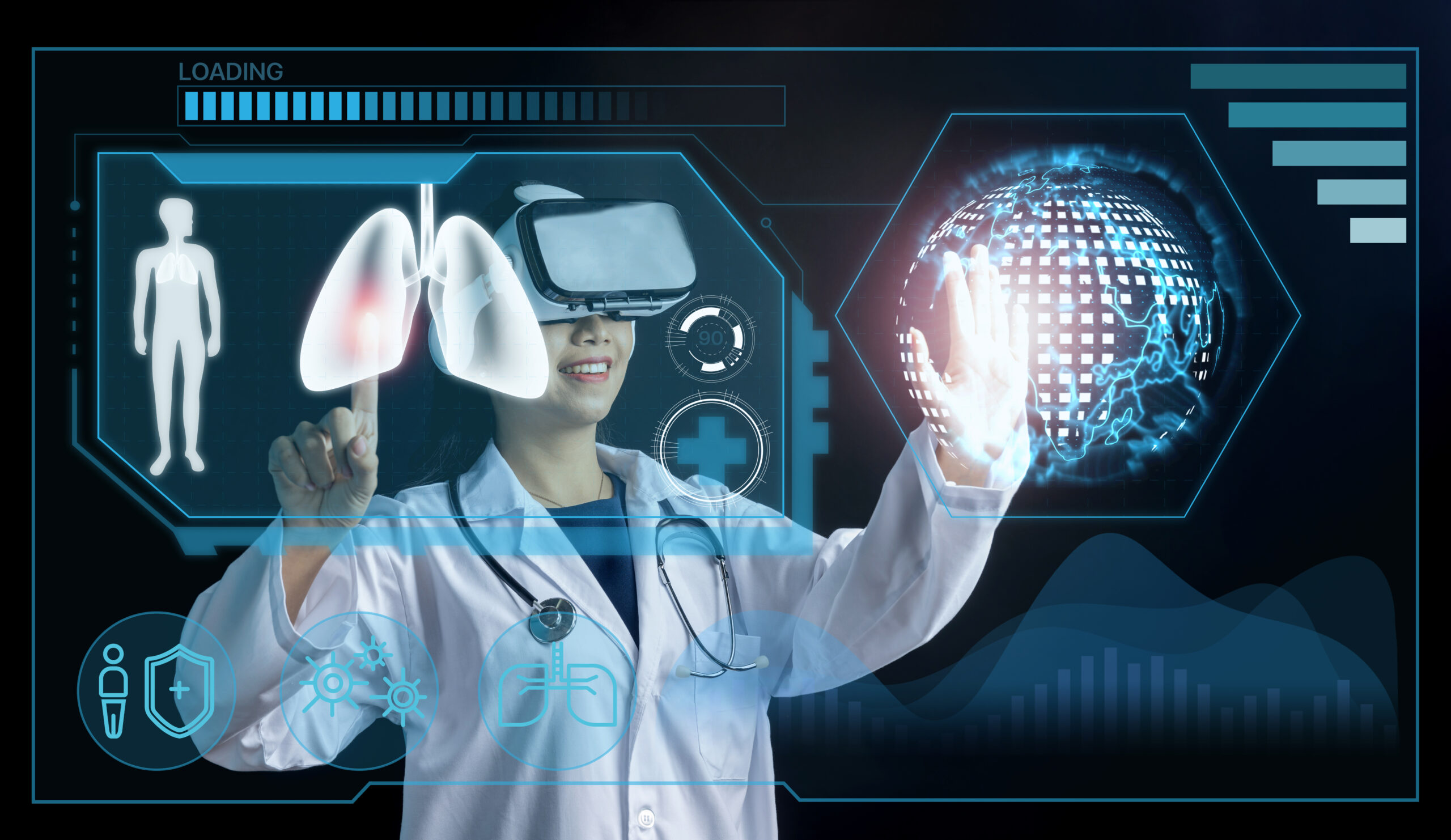
Picture a world where illnesses are diagnosed earlier, where hospitals have the ability to monitor patients in real-time, and where medical professionals rely on faster and more confident decision-making based on data analysis. The use of Computer Vision in Healthcare makes this possible.
Every day, huge quantities of visual information are produced by various healthcare providers including X-ray scans, CT scans, MRI images, pathology slides, live video feeds and so forth. Manual analysis of this information is time-consuming and may lead to errors. The integration of Artificial Intelligence (AI) and computer vision technologies into modern healthcare has changed all of that.
With the help of computer vision, it is possible for machines to analyze medical images at incredible speeds and with impressive accuracy. Medical professionals use computer vision to diagnose illnesses, monitor patients, automate routine processes and much more. While computer vision does not aim at substituting doctors, these intelligent machines can assist them in their work.
This article describes how computer vision transforms healthcare patient care, applications of Computer Vision in Healthcare, its advantages, challenges, best practices and future prospects for AI-powered healthcare.
What is Computer Vision in Healthcare?
Computer Vision is a branch of Artificial Intelligence (AI) that enables computers to understand and analyze images and videos. In healthcare, it allows AI systems to examine medical images, identify abnormalities, measure anatomical structures, and assist clinicians in making more accurate diagnoses.
Using advanced deep learning models, computer vision can recognize patterns that may be difficult for the human eye to detect, making it an invaluable tool for modern medicine.
Common healthcare data analyzed by computer vision includes:
- X-rays
- MRI scans
- CT scans
- Ultrasound images
- Histopathology slides
- Endoscopy videos
- Retinal images
- Skin lesion photographs
Why Computer Vision Matters in Modern Healthcare
Healthcare providers face increasing pressure to deliver faster, safer, and more accurate care while managing growing patient volumes.
Computer vision addresses these challenges by helping hospitals:
- Improve diagnostic accuracy
- Detect diseases earlier
- Reduce manual workloads
- Support clinical decision-making
- Enhance patient monitoring
- Optimize hospital operations
Instead of replacing medical professionals, computer vision acts as an intelligent assistant that improves efficiency and supports better patient outcomes.
How Computer Vision Works in Healthcare
Healthcare computer vision systems typically follow these steps:
1. Medical Image Acquisition
Visual data is collected using diagnostic equipment such as MRI machines, CT scanners, X-ray systems, ultrasound devices, and digital pathology scanners.
2. Image Preprocessing
The system enhances image quality by reducing noise, improving contrast, and standardizing image formats.
3. AI-Based Image Analysis
Deep learning algorithms identify patterns, detect abnormalities, and classify medical conditions using thousands of previously labeled images.
4. Clinical Decision Support
The AI provides recommendations or highlights areas of concern, allowing healthcare professionals to review findings and make informed treatment decisions.
Applications of Computer Vision in Healthcare
1. Medical Image Analysis
Medical imaging is one of the most impactful applications of computer vision.
AI assists radiologists by analyzing:
- X-rays
- MRI scans
- CT scans
- Mammograms
- Ultrasounds
Example
Computer vision can highlight suspicious lung nodules or fractures, enabling clinicians to review images more efficiently and consistently.
2. Early Disease Detection
Early diagnosis often improves treatment outcomes.
Computer vision supports early detection of conditions such as:
- Breast cancer
- Lung cancer
- Brain tumors
- Pneumonia
- Diabetic retinopathy
- Stroke-related abnormalities
This helps healthcare providers intervene sooner and plan appropriate treatments.
3. Patient Monitoring
AI-powered cameras and vision systems can monitor patients continuously without constant manual supervision.
Applications include:
- Fall detection
- Patient movement analysis
- ICU monitoring
- Elderly care
- Post-surgical recovery observation
Hospitals can respond more quickly when unusual events occur.
4. Surgical Assistance
Modern operating rooms increasingly use computer vision to support minimally invasive and robotic-assisted procedures.
Benefits include:
- Improved surgical precision
- Better visualization
- Real-time guidance
- Reduced complications
5. Pathology and Laboratory Automation
Digital pathology platforms use computer vision to analyze tissue samples and identify abnormal cells.
This helps pathologists:
- Detect cancer cells
- Count blood cells
- Identify tissue abnormalities
- Improve reporting consistency
6. Ophthalmology
Computer vision analyzes retinal images to detect:
- Diabetic retinopathy
- Glaucoma
- Macular degeneration
These AI-assisted screenings enable earlier intervention and can help prevent vision loss.
7. Dermatology
AI-powered image analysis helps identify suspicious skin lesions and supports clinicians in assessing conditions such as melanoma.
While AI assists in prioritizing cases, diagnoses should always be confirmed by qualified healthcare professionals.
Benefits of Computer Vision in Healthcare
| Benefit | Impact on Patient Care |
|---|---|
| Faster Diagnosis | Reduces waiting time |
| Higher Accuracy | Supports clinical decisions |
| Early Disease Detection | Improves treatment outcomes |
| Continuous Monitoring | Enhances patient safety |
| Reduced Manual Work | Allows clinicians to focus on patient care |
| Improved Workflow | Increases hospital efficiency |
| Better Resource Allocation | Optimizes healthcare operations |
Real-World Examples
Cancer Detection
AI-powered imaging tools help identify suspicious lesions in mammograms and CT scans, supporting radiologists during diagnosis.
Stroke Assessment
Computer vision analyzes brain scans to identify potential stroke-related abnormalities, helping emergency teams prioritize urgent care.
Remote Patient Care
Hospitals can use AI-powered vision systems to monitor patients remotely, reducing unnecessary physical contact while maintaining continuous observation.
Computer Vision vs Traditional Medical Image Analysis
| Feature | Traditional Analysis | Computer Vision |
|---|---|---|
| Speed | Manual review | Automated assistance |
| Accuracy | Depends on workload and expertise | Consistent AI-supported analysis |
| Scalability | Limited | High |
| Workflow | Time-intensive | More efficient |
| Decision Support | Human expertise only | Human expertise enhanced by AI |
Challenges of Computer Vision in Healthcare
Although computer vision offers tremendous benefits, successful implementation requires careful planning.
Data Privacy
Healthcare organizations must protect patient information and comply with regulations governing medical data.
Image Quality
Poor-quality or inconsistent medical images can reduce AI performance.
Algorithm Bias
Training AI models on diverse datasets helps improve performance across different patient populations.
Clinical Validation
AI tools should undergo rigorous testing and validation before clinical deployment.
System Integration
Computer vision solutions should integrate smoothly with existing hospital information systems and workflows.
Best Practices for Implementing Computer Vision
Healthcare organizations should:
- Define clear clinical objectives.
- Use diverse, high-quality medical datasets.
- Validate AI systems with healthcare professionals.
- Continuously monitor model performance.
- Protect patient privacy using secure data management practices.
- Train medical staff to use AI as a decision-support tool rather than a replacement for clinical judgment.
Common Mistakes to Avoid
Avoid these common implementation challenges:
- Expecting AI to replace healthcare professionals.
- Using limited or poor-quality datasets.
- Ignoring patient privacy requirements.
- Deploying models without clinical validation.
- Failing to update AI systems with new medical data.
- Overlooking integration with existing hospital workflows.
Actionable Tips for Healthcare Organizations
If you're planning to adopt computer vision solutions:
- Start with a pilot project in radiology or pathology.
- Collaborate with experienced AI development partners.
- Measure success using clinical and operational KPIs.
- Prioritize regulatory compliance and data security.
- Continuously improve AI models using updated datasets.
- Educate clinicians on how AI complements medical expertise.
Businesses and healthcare providers looking to build secure AI-powered healthcare platforms can benefit from professional AI and Machine Learning Development services.
If your healthcare organization requires secure web platforms, hospital management systems, or patient portals, consider professional Web Development Services
Key Takeaways
- Computer Vision is transforming healthcare through AI-powered medical image analysis.
- It improves diagnostic accuracy, supports clinicians, and enables earlier disease detection.
- Applications include radiology, pathology, surgery, ophthalmology, dermatology, and patient monitoring.
- AI complements healthcare professionals rather than replacing them.
- Successful adoption depends on quality data, clinical validation, privacy protection, and continuous improvement.
Conclusion
Computer Vision revolutionizes the health care sector as it translates medical images into clinical insights. From the early detection of diseases to surgeries and continuous patient monitoring, Computer Vision based on AI technology can help health care professionals provide patients with better, safer, and personalized care.
As health care organizations advance toward digitization through computer vision, AI, clouds, and health care platforms, there will arise even more opportunities for patient health improvement.
Those companies which develop responsible AI-based solutions today will have an advantage in providing intelligent health care services in the future.
Ready to Build AI-Powered Healthcare Solutions?
Whether you’re designing an intelligent diagnostics system, telemedicine system, or even a hospital management system using artificial intelligence, working together with a seasoned technology team will enable innovation while at the same time maintaining security and scalability.
Learn how Codexxa’s expertise in artificial intelligence, machine learning, and healthcare software development can take your vision to the next level.
Frequently Asked Questions (FAQs)
1. What is Computer Vision in Healthcare?
Computer Vision in Healthcare is the use of AI to analyze medical images and videos, helping healthcare professionals detect diseases, monitor patients, and support clinical decision-making.
2. How does computer vision improve patient care?
It enables faster image analysis, assists with early disease detection, supports continuous patient monitoring, and enhances diagnostic accuracy, allowing clinicians to make more informed decisions.
3. Which medical specialties use computer vision?
Radiology, pathology, ophthalmology, dermatology, oncology, surgery, emergency medicine, and critical care are among the leading specialties using computer vision technologies.
4. Can AI replace doctors in healthcare?
No. AI and computer vision are designed to assist healthcare professionals by providing decision-support tools. Final diagnoses and treatment decisions remain the responsibility of qualified medical practitioners.
5. What are the biggest challenges of implementing computer vision in healthcare?
Challenges include protecting patient privacy, ensuring high-quality training data, validating AI models clinically, integrating with existing systems, and maintaining regulatory compliance.
6. Is computer vision useful for small healthcare organizations?
Yes. Clinics and smaller healthcare providers can use AI-powered imaging tools, patient monitoring systems, and workflow automation to improve efficiency and patient outcomes.
7. How is computer vision used in cancer detection?
Computer vision analyzes medical images such as mammograms, CT scans, and pathology slides to identify suspicious abnormalities that clinicians can review during the diagnostic process.
8. What is the future of computer vision in healthcare?
Future advancements include AI-assisted personalized medicine, real-time surgical guidance, predictive diagnostics, remote patient monitoring, digital pathology, and smarter hospital operations, all aimed at delivering more efficient and patient-centered healthcare.